Herrnhut was a monastery. It has taken me a while to recognise this, probably because it looked so different to the monastic orders of previous centuries. But almost from the beginning they were a community of shared spiritual intent living by a common rule of life. The first version was called the ‘Statutes’ (1727), soon followed by the ‘Brotherly Agreement’ which described the principles by which the Herrnhut community lived. It continues in spirit even today in the ‘Covenant for Christian Living’ of the Moravian Church.
Of the ‘four wells’ which inspire the modern-day OMS, traditional monasticism and the contemplative-missional communities of Celtic Christianity are the most obviously monastic. But even the present-day 24-7 prayer movement soon started establishing 21st century monasteries in the form of ‘boiler rooms’. The six practises of the OMS take their actual form from the ‘boiler room rule’ (a story told in the book ‘Punk Monk’). That makes 4 out of 4.
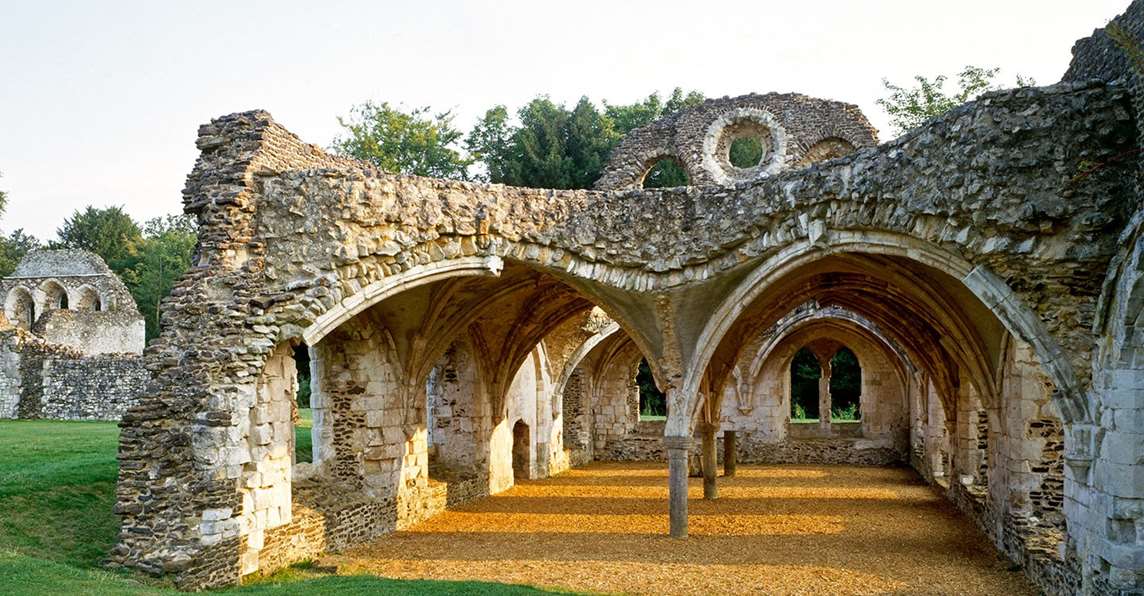
The modern-day OMS would certainly be positioned within the stream of new monasticism predicted and longed for by Dietrich Bonhoeffer, but so far we have remained an entirely dispersed order. The idea of gathered communities based directly on the OMS vows and practises has been envisaged with a mixture of anticipation, longing, and trepidation, and there has been a sense of prophetic invitation that Waverley Abbey should become such a community, but it is not yet a fully formed on-the-ground reality.
This week you may have seen an advertisement for a new Head of Prayer and Community at Waverley Abbey, continuing the work started by previous OMS Global Convenor Jill Weber. The role description expects that this person will be a member of the OMS and the community will be distinctively OMS in nature. It’s also one of the most unconventional job ads I’ve ever seen (and I’ve seen a few).
My prayer is that God will call, anoint, and equip the right person to take on this role. I long to see whether this could be the time for Waverley to become a form of ‘mother house’ to the OMS, and maybe even a prototype and first fruits of a new wave of Herrnhuts / Celtic aposto-monastic communities / 21st century monasteries / boiler rooms 2.0, spreading like mustard seeds across the earth. I’ll admit that it’s a bit scary too, in a fear-of-the-Lord kind of way. We all pray for a move of the Spirit, only to be hit by a sense of awe and sobering awareness of what it might cost. Jesus told his disciples that many had longed to see and hear what they were experiencing. Are we up for being part of that ongoing journey and story in our generation?
Photo: English Heritage